On a sunny Sunday, a mother and her son visited the National Museum of Australia near Lake Burley Griffin in Canberra.
As they wandered through the exhibits, they admired the lake and spoke about its architect, Walter Burley Griffin.
He designed the lake despite facing many setbacks and challenges, showing strong vision and persistence.
During lunch, they watched ducks and geese flying across the water.
The sight reminded the boy of the classic story, The Goose That Laid the Golden Eggs.
Curious, he asked, “Mum, does this story have anything to do with economics?”
The Classic Tale: The Goose That Laid the Golden Eggs
His mother smiled and began the story.
A farmer had a goose that laid one golden egg every day, slowly making him wealthy.
But he grew impatient and wanted all the gold immediately instead of waiting for it day by day.
He threatened the goose out of greed, and it jumped into the lake, never to return.
Later, the farmer asked his hen to hatch the last golden egg.
It produced a new golden goose, but the lesson was already clear.
The farmer had lost his steady income because of impatience and greed.
In time, he learned to share and manage his wealth more wisely.
Lesson 1: The Power of Patience and Planning
“This story shows us how important patience is,” the mother explained.
“In economics, long-term planning can create more success than chasing quick results,” she continued.
The farmer’s mistake cost him everything, just because he could not wait.
She told her son that people often give up long-term gains for short-term pleasures.
That’s why saving money and thinking ahead are smart habits for a better future.
Children can learn that thoughtful planning leads to long-term success and financial security.
Lesson 2: The Value of Productive Resources
The mother then said, “Think of the goose as a valuable resource.”
“In economics, it’s not just about money—it’s also about what helps us produce value,” she added.
The goose gave the farmer wealth slowly, but he ruined it by being greedy and short-sighted.
This story teaches children that real prosperity comes from protecting and nurturing their resources.
Whether it’s time, tools, or talents, good decisions keep these resources growing.
The boy nodded and looked out over the lake, understanding the message deeply.
Teaching Economics Through Stories and Fairy Tales
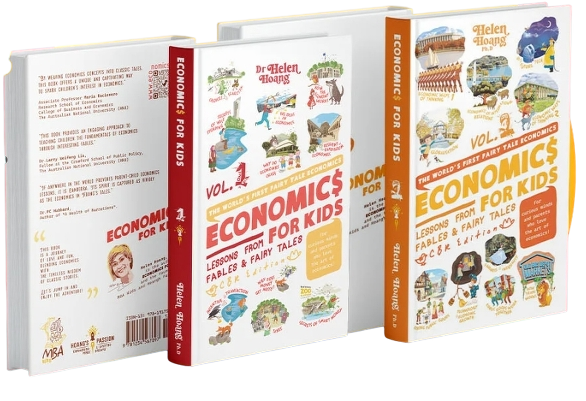
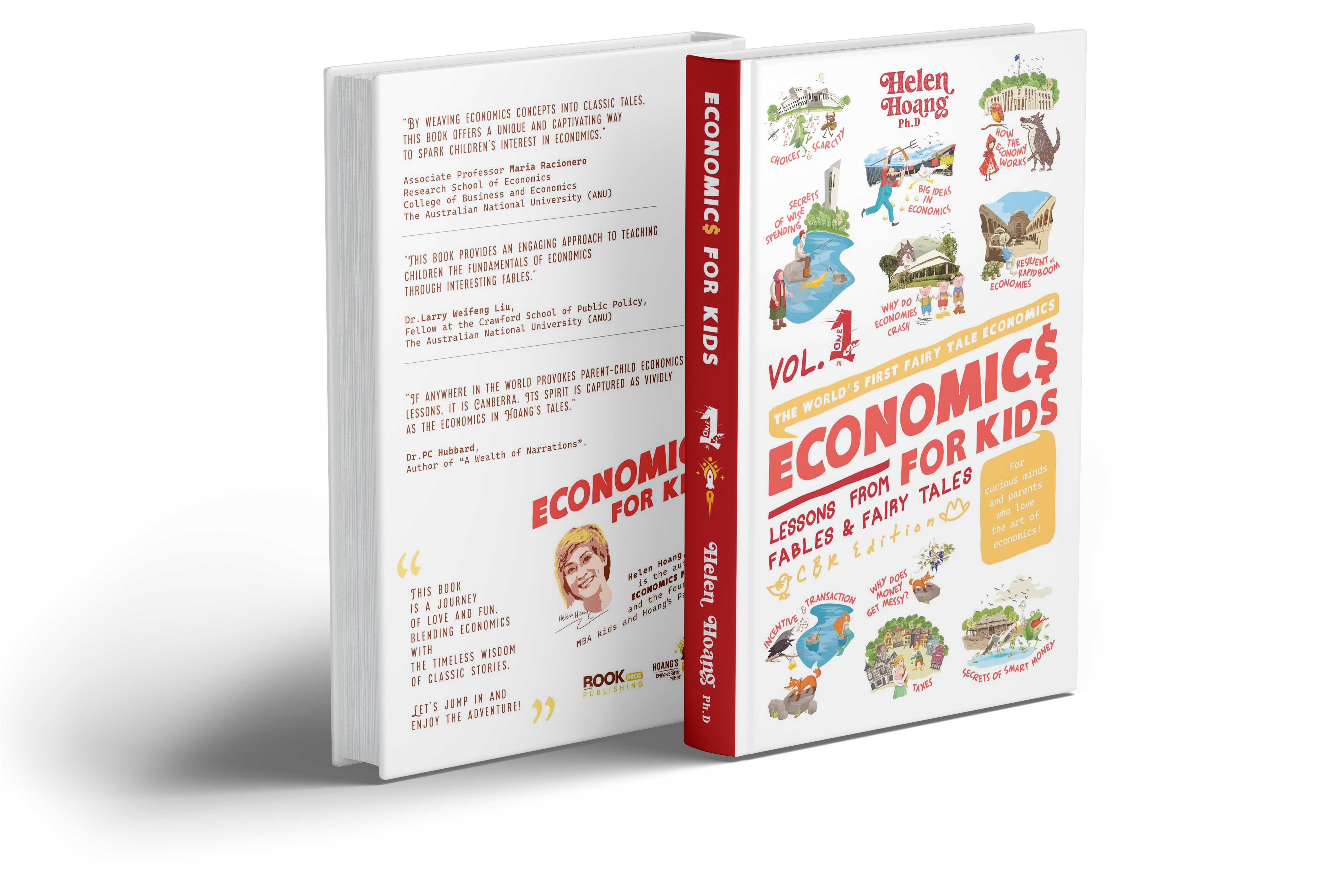
By using familiar stories, Economics For Kids: Lessons from Fables & Fairy Tales makes economics fun and easy to learn.
The book includes stories like The Goose That Laid the Golden Eggs and others that explain saving and decision-making.
Each chapter ends with discussion questions to help children reflect and think critically.
Set in Canberra, the book also features local landmarks, adding extra learning and cultural value.
It’s perfect for children aged 8 to 13, parents, or educators who want to teach economics creatively.
If you’re looking for a way to teach financial literacy through stories, this book is a great start.
Get your copy on Amazon: https://www.amazon.com/dp/1917553714.